Author: Gregory C. Jenks

  • Albert Schweitzer, 1875–1965

    Albert Schweitzer, 1875–1965

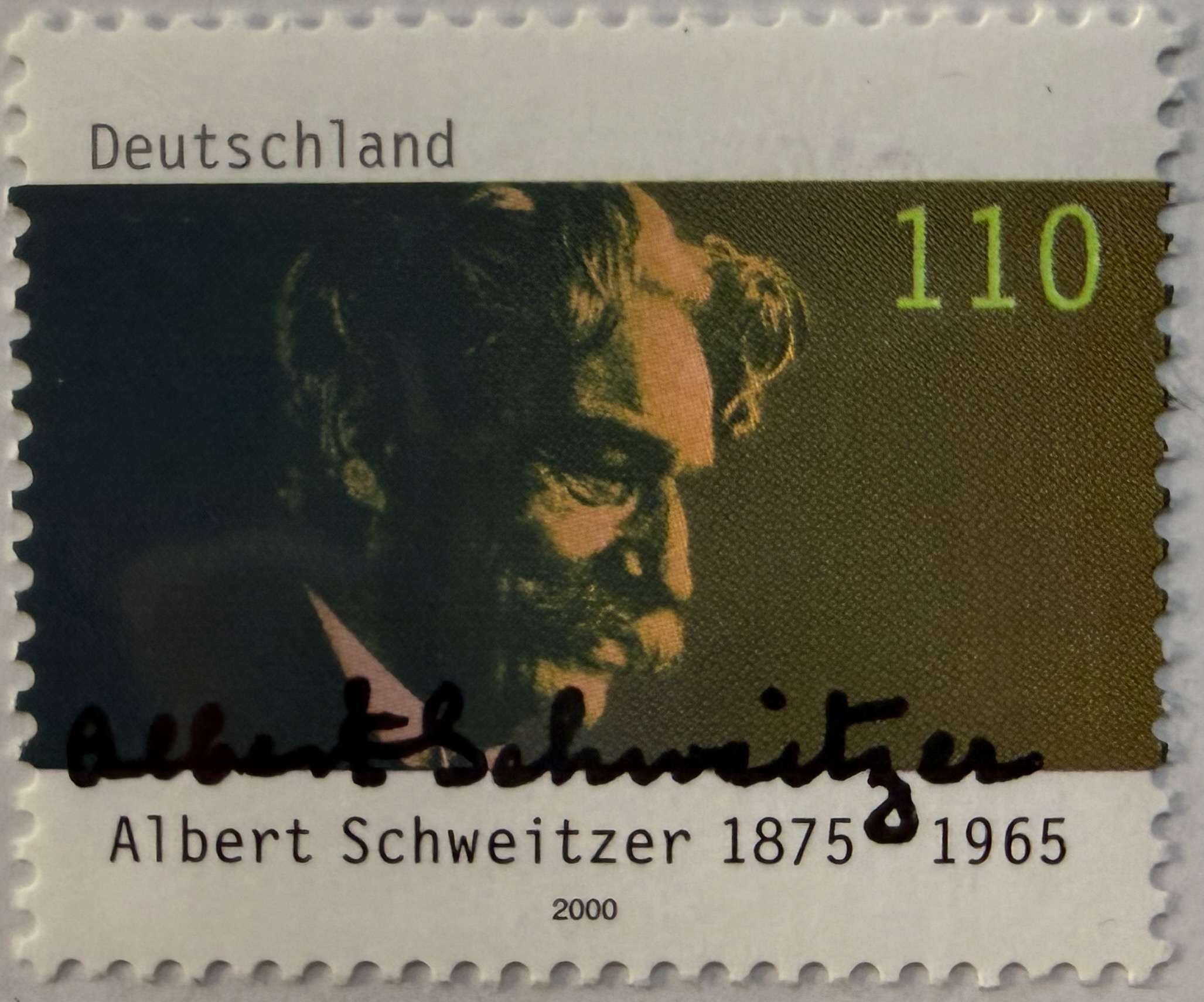
    The Foundation has a significant set of materials related to Albert Schweitzer, the remarkable polymath who walked away from several European career options and dedicated his life to working as a medical doctor in Africa from 1913 until his death in 1965.

    Our collection of Schweitzer materials includes coins and medals, postcards and postage stamps, letters written by Schweitzer, and a small number of books.

    The set can be viewed in this online gallery.

    This collection is available for short term loan by churches, schools, and other community groups. Email us to enquire about its availability for a local exhibition in your community organization.

  • CCCRH @ IMA

    The Foundation is delighted to lend several items from our Islamic collection for a new Islamic Faith gallery at the Islamic Museum of Australia.

    IMA is a not-for profit foundation founded in May 2010 with the purpose of establishing the first Islamic Museum in Australia. It is the first centre of its kind in Australia and showcases a diverse range of Islamic arts including architecture, calligraphy, paintings, glass, ceramics and textiles.

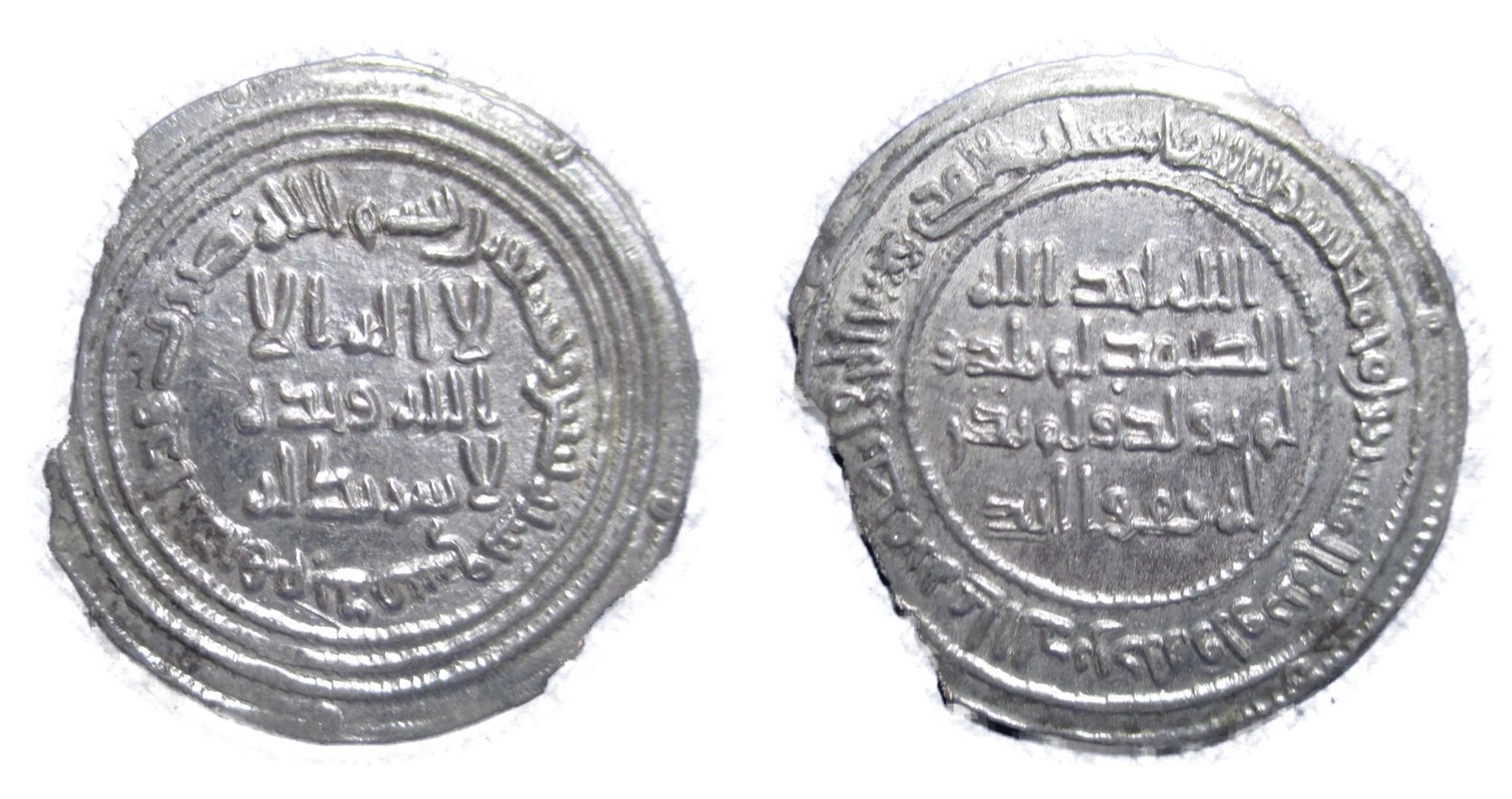
    The items on extended loan to IMA from CCCRH include 5 Islamic coins (the oldest is displayed as featured image for this post) and 5 Quranic manuscripts.

    Collaboration with other museums is a key priority for the Foundation.

    Our wider collection of Islamic coins and manuscripts can be viewed in a dedicated online gallery.

    Items from this collection are also available as a traveling exhibition for schools, churches and mosques.

  • CCCRH @ ΝΟΣΤΟΙ

    ΝΟΣΤΟΙ | Homecomings: Stories of the Ionian Island Diaspora in Queensland

    CCCRH was pleased to assist with this exhibition at the RD Milns Antiquities Museum at UQ. We have three coins on loan to the museum for this exhibition.

    More information about the ΝΟΣΤΟΙ Exhibition

    View the CCCRH items in this exhibition

  • Charles V, Holy Roman Emperor

    Recently I had an opportunity to examine closely a 16C letter from Charles V to his governor in Milan (and sometime ambassador to Henry VIII in London). The document had been in the collection for some time, and was simply listed as a signature of Emperor Charles V.

    On examination, it was clear that the document was a letter from Charles V, and indeed concluded with his signature.

    I asked ChatGPT to analyse this handwritten letter, to see if this was within its capacity.

    It completed the task in a matter of seconds. Full text follows.

    Transcription

    (Original Spanish, with abbreviations expanded. Note: some orthography is early modern, spellings vary from modern Spanish)

    Carolus divina favente clementia Romanorum Imperator Augustus

    Ille príncipe, delibro consejo, Gouernador del estado de Milán, y su cap. general.

    Por parte de Nicolao de Monmiliano nos ha sido hecha relación, que ha dos años poco más o menos se hallaron sobre el río un puerto el qual Estanislao Giustiniano milanés parapensando ser cosa suya tomó e ocupó con fuerza, en lo qual ha cometido demasía y violencia. Y el dicho Juan Canario en nombre del dicho Nicolao ha hombre venido en esta nuestra corte, pidiéndonos le sea fecho sobre esto provisión y remedio conveniente. Y porque queremos que la justicia en todas partes sea administrada, es nuestra merced y voluntad que vos informéis de la verdad de lo susodicho y de lo que en ello resultare, y que llamando a las partes oydas, os parezca ser de justicia y derecho, proveyáis, guardando en ello forma y estilo de justicia, y para que de todo lo que en ello proveyéredes se pueda tener entera fe y crédito mandamos que sea signado de vuestra mano y refrendado de escribano público.

    De Asti, a 6 de agosto de 1521.

    (Signed) Carolus / Vargas

    Translation

    Charles, by divine favor Emperor of the Romans, Augustus

    To the Prince, our trusted councilor, Governor of the State of Milan, and its captain general.

    On behalf of Nicolao de Monmiliano, it has been reported to us that about two years ago, more or less, on the river a port was found which Estanislao Giustiniano of Milan, supposing it to be his own, seized and occupied by force, thereby committing excess and violence. And the said Juan Canario, in the name of the said Nicolao, has come to this our court, petitioning that suitable provision and remedy be made in this matter.

    And because we desire that justice be administered everywhere, it is our will and pleasure that you inform yourself of the truth of the above, and of what results from it, and that—having summoned the parties and heard them—you provide such remedy as shall appear to you to be according to justice and right, observing therein the form and style of justice. And in order that full faith and credit may be given to whatever you shall determine in the matter, we order that it be signed with your hand and countersigned by a public notary.

    From Asti, the 6th of August, 1521.

    (Signed) Charles / Vargas

    Analysis

    This is a royal decree issued by Emperor Charles V in 1521, from Asti, Italy, delegating to the governor of Milan the responsibility to investigate and adjudicate a dispute over a seized river port, ensuring due legal process.

  • Another letter from the 1500s

    As I work my way through some of the materials in the CCCRH collection, another interesting document has come to light.

    Listed in the catalogue as a document with the signature of Ferdinand I (c 1562) it turned out to be a letter to then Archduke Ferdinand in his capacity as Counsellor to the King of Spain and Auditor of the Sacred Rota at the Vatican, confirming the election of a senior cleric.

    (The text is a little unclear in places so we cannot be certain which appointment was subject of the letter.) Once again ChatGPT has done a great analysis of this document for us.

    Summary

    Letter originally closed with a large wax seal with heraldic shield.

    RECIPIENT: To Don Fernando of Austria, Prince of Macedonia, Most Serene Governor on behalf of the King of Spain and Counselor of His Catholic Majesty, Auditor of the Sacred Rota and of the Consistorial Congregation, our beloved brother.

    SENDER: Unknown curial official at the Vatican.

    MESSAGE: Confirmation of a senior clerical appointment in either Spain or Italy during the mid-1550s.

  • Communion Tokens

    The Foundation has a growing collection of Communion tokens. These were especially common in the various Presbyterian churches of Scotland between 1700 and 1900 CE.

    The CCCRH collection includes a number of Australian Communion tokens, including one from the Creek St Presbyterian Church, Brisbane (see featured photo).

    View our Communion tokens gallery

Exit mobile version