The Centre for Coins, Culture & Religious History (CCCRH), located on the campus of St Francis Theological College in Brisbane, holds one of the more accessible and educationally rich collections of ancient Egyptian artefacts in Queensland. With approximately one-third of its 3,500+ items drawn from the ancient world, the Egyptian holdings span a wide range of object types — from small faience amulets worn by everyday people to funerary figurines prepared for the afterlife — and offer compelling entry points for students studying ancient history, world religions, and cultural studies.
What the Egyptian Collection Contains
The Egyptian holdings fall into several broad categories:
Faience amulets form the core of the collection. These small glazed-composition objects — typically turquoise-blue or green — were worn by the living as protective charms and placed with the dead to ensure divine favour in the afterlife. The collection includes amulets depicting major Egyptian deities, among them Thoth (the ibis-headed god of wisdom and writing), Taweret (the hippopotamus goddess who protected mothers in childbirth), and Harpocrates (the child-form of Horus, god of protection and renewal). These objects connect directly to themes of belief, ritual, and everyday life in the ancient world.
Ushabtis (or shabtis) are mummiform figurines inscribed with the name of the deceased and placed in tombs to perform agricultural labour on behalf of the dead in the afterlife. The CCCRH holds several notable examples, including a green-glazed shabti of a man named Hor (c. 600 BCE), authenticated by a specialist from the British Museum, which carries an unusual double-hoe feature and a secondary name — Pairkep — painted alongside the incised inscription, raising intriguing questions about how these objects were made and reused.
Bronze and terracotta figurines round out the Egyptian holdings. The collection includes both elite workshop bronzes (such as a standing figure of Harpocrates with a complex crown, c. 300 BCE) and humble mould-made terracotta devotional figures produced for ordinary households in the Ptolemaic and Roman periods. Together these illustrate how Egyptian religion was practised across very different social levels.
Modern replicas — including a wedjat (Eye of Horus) amulet and a large brass ankh — are also held as explicit teaching examples, allowing students to explore how ancient Egyptian symbols continue to circulate in contemporary culture.
Coins form a significant and distinctive component of the Egyptian holdings, with 39 coins relating to ancient and medieval Egypt in the collection as of April 2026. The great majority are coins of the Ptolemaic dynasty — the Greek-speaking rulers who governed Egypt from the death of Alexander the Great in 323 BCE until the suicide of Cleopatra VII in 30 BCE — and they offer a uniquely accessible window into the political history of the ancient Mediterranean world. The collection spans the full arc of Ptolemaic rule, from early coins of Ptolemy I Soter through to issues bearing the portrait of Cleopatra VII herself, the dynasty’s last and most famous ruler. Several coins were minted not in Egypt but at sites across the eastern Mediterranean — Alexandria, Cyprus, Cyrene, Sidon, Tyre, and Jerusalem among them — illustrating the reach of Ptolemaic power and commerce. A small group of Yehud coins, minted in Jerusalem under Ptolemaic authority, will be of particular interest to teachers exploring the biblical world and the political context of Second Temple Judaism. The collection also includes a gold dinar minted in Egypt in 816/17 CE under the Abbasid Caliph al-Mamun, bridging the ancient and Islamic periods, and two modern Egyptian commemorative coins — one depicting Cleopatra, the other marking the centenary of the discovery of Tutankhamun’s tomb — which offer a natural entry point for discussing how ancient Egypt continues to shape modern Egyptian national identity.
Curriculum Connections
For junior high school teachers in Queensland and across Australia, the Egyptian collection offers strong links to typical Year 7–9 curriculum themes:
Ancient civilisations — Egyptian society, religion, death and the afterlife, the role of scribes and writing
World history — the Nile Valley as a foundational culture of the ancient world, cultural continuity from pharaonic Egypt into the Greek and Roman periods
Religious studies — polytheism, divine iconography, ritual practice, the relationship between religion and daily life
Visual and material culture — how objects communicate meaning, the reading of symbols, comparing ancient and modern uses of the same imagery
A Note on Ethics and Provenance
Teachers may find it valuable to use the CCCRH collection as a springboard for discussing ethical questions that are directly relevant to the study of antiquities: Who owns the past? What obligations do museums and collectors have when objects lack clear provenance? How should communities recover cultural heritage displaced by colonialism, war, or the antiquities trade?
The CCCRH takes provenance seriously. Objects in the collection are documented to the best available standard, and the Centre’s ongoing cataloguing work models the kind of transparent, responsible stewardship that the field increasingly demands. For classes exploring social justice dimensions of archaeology and museum practice — questions now central to how the discipline understands itself — the collection provides an honest and locally accessible case study.
Working with the CCCRH
CCCRH materials are made available to teachers for use with classes in their own school context. To arrange a short-term loan of objects from the collection, teachers and curriculum leaders are encouraged to contact the Centre directly.
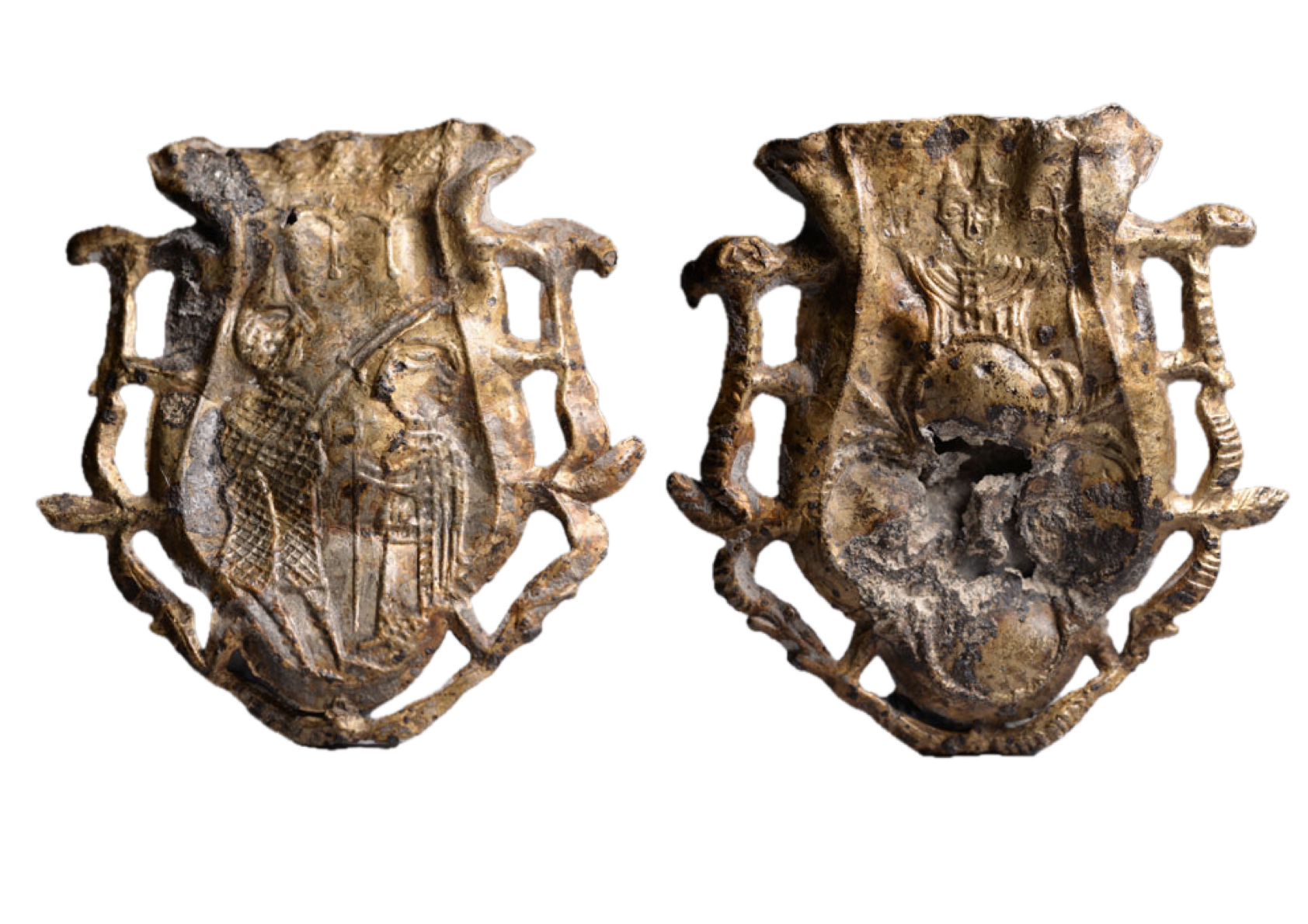
As we prepare for the enthronement of Sarah Mullally as the 106th Archbishop of Canterbury, this seems a timely moment to highlight this precious object from the CCCRH collection.
Pewter ampulla with golden patina. 45 mm high. OBV: Knight strikes Thomas Becket with sword. Cathedral cloisters behind. REV: The resurrected Thomas appears above a cross design made of circles.
This ampulla dates from the 13th century and shows the martyrdom of Thomas Becket. It contained his blood, much diluted with water from the cathedral well. His blood and brains spilled out on the stone floor of the cathedral and were scooped up by the monks and put in the pilgrims’ ampullae which became a source of income for the cathedral.
This item was found on the banks of the Thames River at London in the 1970s. It was in a private collection before being purchased from ARTANCIENT Ltd on 14 April 2014. It dates from around 1250–1300.
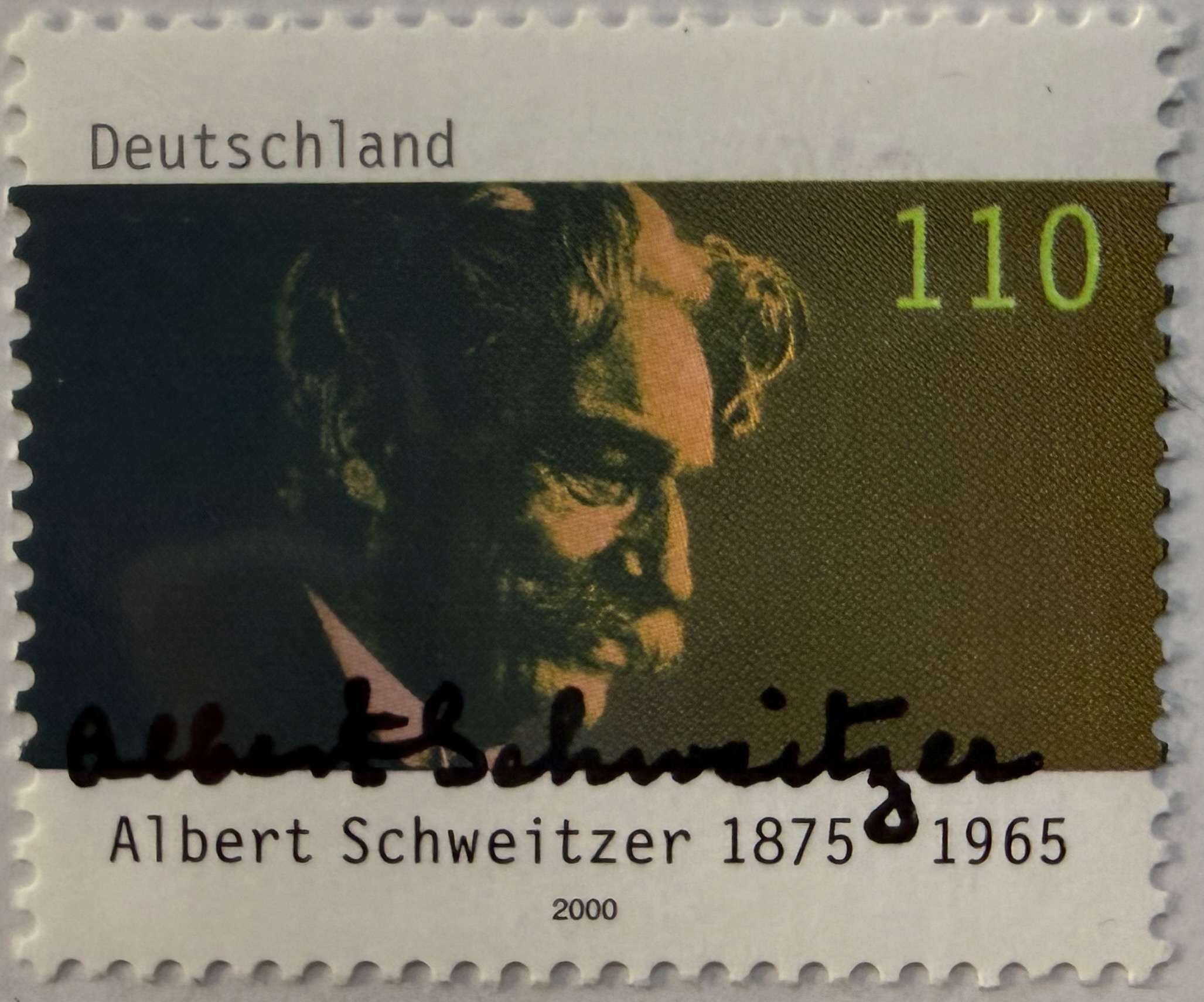
The Foundation has a significant set of materials related to Albert Schweitzer, the remarkable polymath who walked away from several European career options and dedicated his life to working as a medical doctor in Africa from 1913 until his death in 1965.
Our collection of Schweitzer materials includes coins and medals, postcards and postage stamps, letters written by Schweitzer, and a small number of books.
This collection is available for short term loan by churches, schools, and other community groups. Email us to enquire about its availability for a local exhibition in your community organization.
The Foundation is delighted to lend several items from our Islamic collection for a new Islamic Faith gallery at the Islamic Museum of Australia.
IMA is a not-for profit foundation founded in May 2010 with the purpose of establishing the first Islamic Museum in Australia. It is the first centre of its kind in Australia and showcases a diverse range of Islamic arts including architecture, calligraphy, paintings, glass, ceramics and textiles.
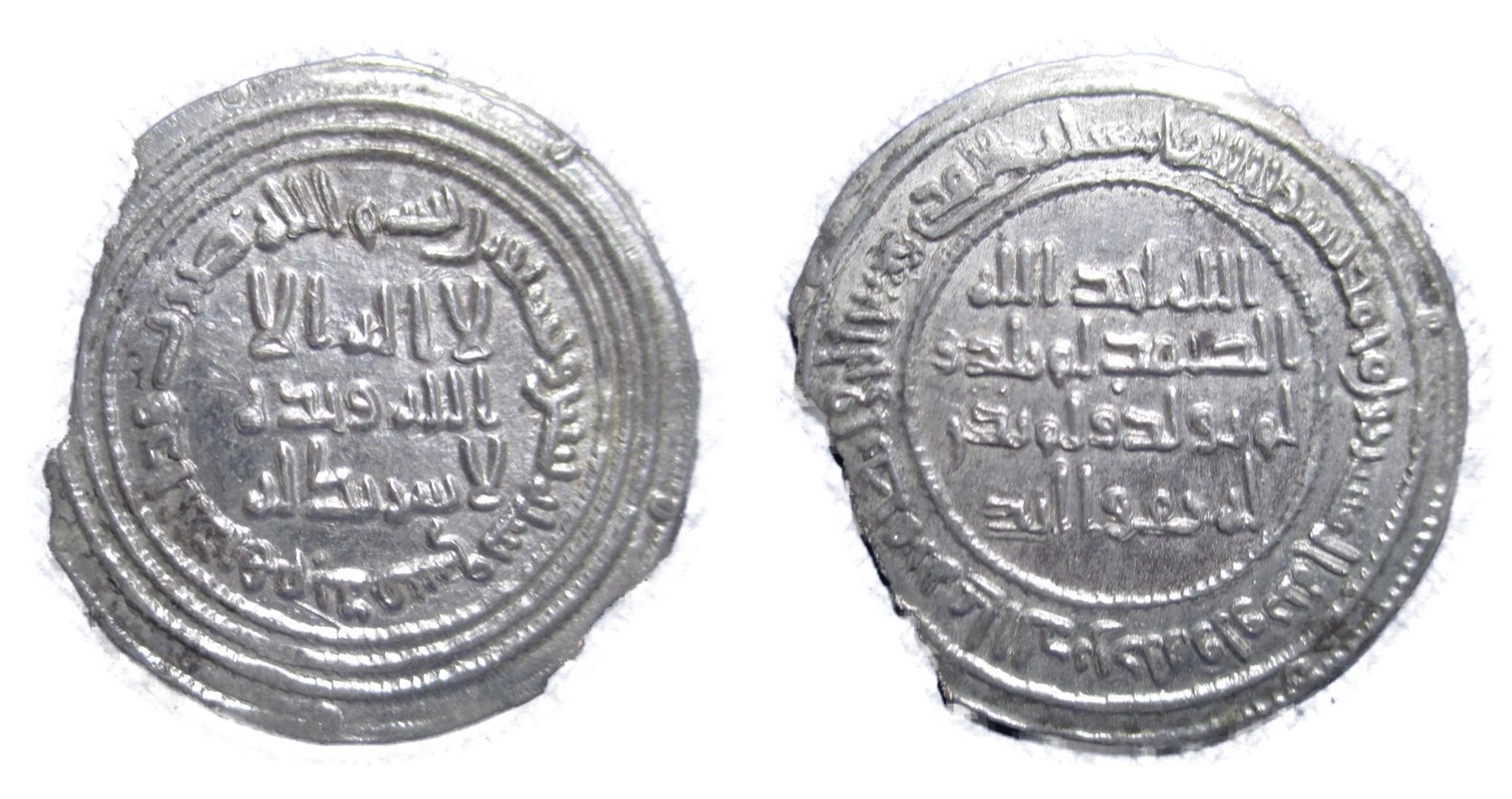
The items on extended loan to IMA from CCCRH include 5 Islamic coins (the oldest is displayed as featured image for this post) and 5 Quranic manuscripts.
Collaboration with other museums is a key priority for the Foundation.